


Adding salt can thicken a Sodium Lauryl Ether Sulfate solution, but excessive salt can push it beyond its viscosity peak and make it runny.
For detergent operators, the immediate response should be to stop salt additions, verify temperature and measurement conditions, and test corrections on small samples before reworking production.
The underlying explanation is the formulation’s salt curve. Understanding how ingredients, active content, and processing conditions shift that curve makes viscosity control more predictable.
Why does extra salt make SLES solutions thinner?
Sodium Lauryl Ether Sulfate, commonly abbreviated as SLES, is an anionic surfactant. In water, its molecules assemble into aggregates called micelles that influence flow behavior.
The negatively charged surfactant headgroups repel one another. Adding sodium chloride changes the ionic environment and screens these interactions, allowing micellar structures to reorganize.
Within a suitable formulation and concentration range, this can encourage longer micelles. Their increasing overlap and entanglement can raise viscosity substantially as salt concentration increases.
However, the relationship is not linear. Once the formulation passes its optimum electrolyte range, additional salt can reduce the structural interactions responsible for high viscosity.
Depending on composition, micelles may change their length, branching, or relaxation behavior. More highly branched networks can sometimes relax stress faster, producing a thinner liquid.
At more extreme electrolyte levels, some formulations may become cloudy or separate. These changes require stability investigation rather than treating the problem as viscosity alone.
The practical lesson is straightforward: salt controls surfactant structure, so adding more does not guarantee greater thickness. Every formulation needs its own experimentally established operating range.
How can you tell whether the batch has passed its salt peak?
A salt curve plots measured viscosity against added salt concentration while other conditions remain controlled. Many SLES formulations show a rising region, peak, and declining region.
On the rising side, another small salt addition increases viscosity. Around the peak, small composition changes can produce large differences or inconsistent apparent responses during processing.
Beyond the peak, further salt lowers viscosity. Continuing to add salt because the product looks thin can therefore deepen the problem and increase rework requirements.
A batch that thickened normally and then suddenly thinned after another addition provides a strong clue. However, that history alone does not confirm excessive salt.
Temperature shifts, incomplete mixing, fragrance additions, and inconsistent testing can mimic the same problem. Compare the sequence of additions with batch records before choosing a correction.
There is no universal correct salt percentage for Sodium Lauryl Ether Sulfate. A concentration that works in one detergent may oversalt another with different ingredients.
Calculate additions consistently against final batch mass, and distinguish added sodium chloride from electrolytes already present in surfactants, water, neutralizers, and other formulation ingredients during assessment.
What shifts the salt curve between otherwise similar batches?
Surfactant active content is a major variable. Replacing one SLES grade with another on an equal weight basis can change both surfactant concentration and electrolyte balance.
For example, ten kilograms of a nominal 70% active grade supplies seven kilograms of active surfactant. Ten kilograms of a 28% grade supplies only 2.8 kilograms.
Even after adjusting for active content, different grades may behave differently. Ethoxylation distribution, alkyl chain distribution, and residual inorganic salts can affect the finished formulation’s response.
Amphoteric surfactants such as cocamidopropyl betaine can substantially change thickening behavior through mixed micelle formation. Their supplied salt content also contributes to the overall electrolyte balance.
Fragrances, solvents, nonionic surfactants, hydrotropes, and solubilizers can shift the viscosity peak. Establish final salt demand after incorporating these ingredients in the validated manufacturing sequence.
Temperature affects both micellar organization and measured viscosity. Its direction and magnitude depend on formulation, so compare samples at the same specified temperature after adequate equilibration.
Water hardness and pH adjustments introduce further variability. Use controlled process water and keep pH within specification rather than adjusting it simply to chase viscosity.
Other electrolytes cannot automatically replace sodium chloride by equal weight. Different ions can affect surfactant behavior differently, requiring separate compatibility, stability, and viscosity checks before use.
What should operators check before attempting a correction?
First, pause additions and retain representative samples. Record actual ingredient weights, raw material lots, addition sequence, mixing conditions, temperature, pH, and the point when thinning appeared.
Next, confirm that the batch is homogeneous. Samples from poorly mixed regions can suggest conflicting problems, particularly after concentrated salt solution enters a large vessel.
Check for undissolved salt, excessive foam, or entrained air. These conditions can distort appearance or viscosity readings and should be resolved before interpreting test results.
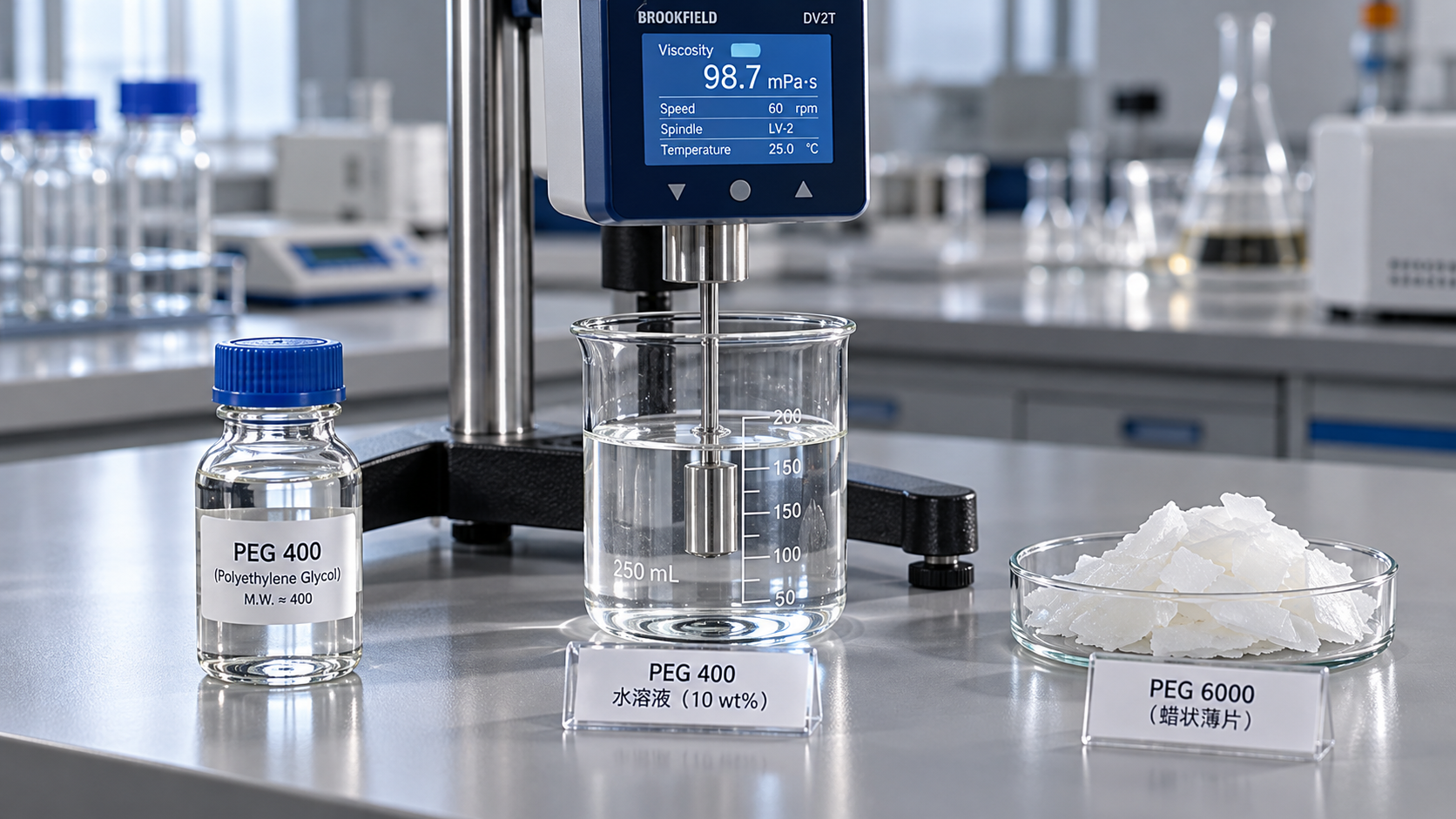
Measure viscosity using the approved instrument method, including spindle or geometry, speed, temperature, conditioning time, and reading interval. Many structured surfactant systems are shear dependent.
A result obtained immediately after vigorous mixing may differ from a rested sample. Apply the same validated preparation procedure to both production and reference samples.
Inspect clarity, odor, color, and separation as well as viscosity. Cloudiness or sediment may indicate incompatibility or instability that a thickening adjustment will not resolve.
Finally, compare actual additions with the approved formula and a satisfactory reference batch. Include salt carried in raw materials when investigating unexplained shifts between production lots.
How do you build a useful salt curve at bench scale?
Prepare a representative base containing the intended surfactants and other ingredients, with only the adjustable salt portion withheld. Follow the production addition order wherever practical.
Divide that base into equal samples and prepare a series with increasing salt levels. Independent samples avoid some complications associated with repeatedly modifying one sample.
Use a fully dissolved salt stock of known concentration for accurate dosing. Account for its water contribution so samples remain comparable in active content and composition.
Keep final sample mass consistent using formulation water. Label each sample with its calculated added sodium chloride percentage, preparation conditions, and relevant raw material information.
As an arithmetic example, increasing added sodium chloride by 0.10 percentage points in a fixed ten kilogram final sample requires ten grams of sodium chloride.
A 20% weight-by-weight salt stock would supply those ten grams in fifty grams of solution. Its forty grams of water must enter the formulation balance.
Mix consistently, condition samples at the specified temperature, and measure after the validated equilibration period. Recheck later when viscosity development or storage behavior warrants it.
Plot the results and choose a robust operating region within specification, with allowance for normal variation. The absolute maximum viscosity is rarely the best production target.
Can an oversalted SLES batch be recovered?
Recovery may be possible, but the appropriate method depends on how far the batch has moved beyond its salt peak and which specifications must remain satisfied.
One practical option is blending with a compatible base that contains less electrolyte. Such a base can lower overall salt concentration while preserving the intended ingredient ratios.
Calculate the proposed blend before testing it. For each controlled ingredient, divide its combined mass from both portions by the total proposed blend mass to estimate concentration.
Adding water alone lowers both salt and surfactant concentrations. It may therefore reduce viscosity further, even when the original problem involved excessive salt in the formulation.
If dilution is considered, verify cleaning performance, active content, preservation, pH, appearance, and other release requirements. Restoring a viscosity reading does not automatically restore product compliance.
Adding more SLES or a secondary thickener may help selected formulations, but either changes composition. Evaluate compatibility, processing requirements, cost, and stability through approved laboratory trials.
Test several small correction blends and allow adequate equilibration before selection. Scale up only after the chosen trial meets the relevant quality and stability requirements.
Avoid adding acids, alkalis, or unrelated chemicals as improvised viscosity fixes. These additions can create further electrolyte changes, compatibility problems, or departures from the approved formula.
How can you prevent another sudden viscosity drop?
Use a controlled salt solution where practical and add it gradually with sufficient mixing. Avoid large final doses based only on how the surface looks.
Reduce increment size as the batch approaches its established operating range. Allow each addition to disperse and equilibrate before deciding whether another dose is needed.
Set a maximum authorized salt addition from development data and manufacturing experience. Exceeding that limit should trigger investigation rather than an automatic continuation of dosing.
Control the sequence of fragrance, pH adjustment, and final viscosity adjustment. A sequence validated for one formulation should be reassessed when important ingredients or grades change.
Use a viscosity specification tied to a defined method and temperature. Informal pour comparisons can support observation but cannot reliably replace consistent measurements for batch release.
Maintain records of salt demand across batches. A rising or increasingly variable requirement can reveal changes in raw materials, process water, weighing accuracy, or mixing performance.
When introducing a new surfactant lot or supplier, compare it in the actual formula. A small confirmation trial can identify a shifted salt response before production.
What should you check when sourcing Sodium Lauryl Ether Sulfate?
Ask suppliers for the technical data sheet, safety data sheet, and batch certificate of analysis. Review active matter, sodium chloride, sodium sulfate, and other relevant specifications.
Clarify which figures are guaranteed specification limits and which are typical values. Nominally similar commercial grades may have different electrolyte contributions and viscosity responses in use.
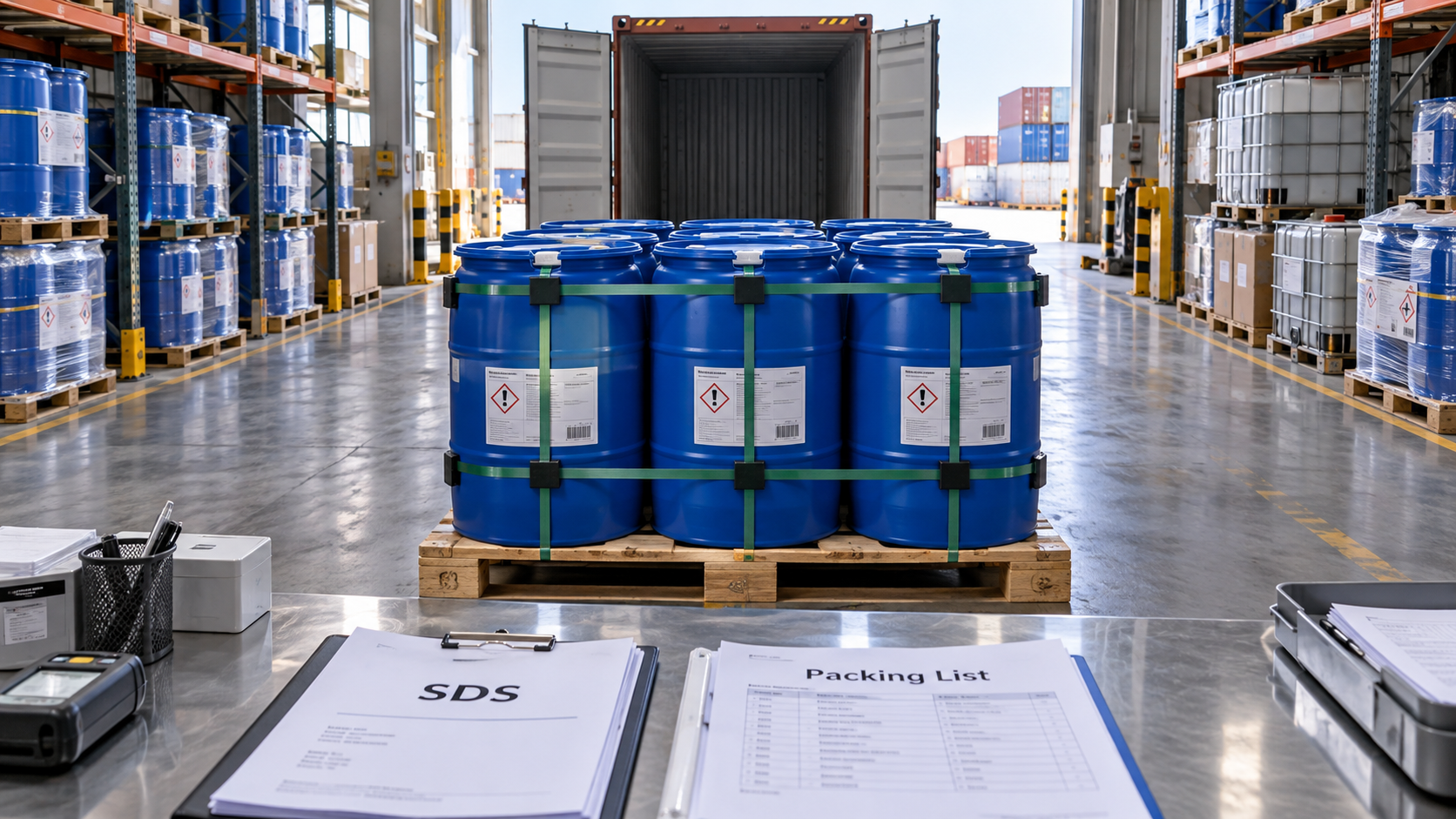
For imported materials, confirm grade identity, lot traceability, packaging, and suitable transport conditions. Consistent documentation helps procurement and production teams investigate changes without relying on assumptions.
As a chemical export service provider, Jingruiyake can support sourcing and documentation coordination. Buyers should still validate the selected SLES grade against their own formulation requirements.
Provide the intended application, required active content, and relevant quality limits when requesting quotations. These details make supplier comparisons more useful than comparing price alone.
Keep viscosity control focused on the formulation’s working range
Excess salt thins many SLES formulations because electrolyte changes the micellar structures that create viscosity. Once the formulation passes its peak, further additions can worsen thinning.
Reliable troubleshooting starts with controlled measurement, accurate batch records, and small comparison trials. Recovery decisions must consider the complete product specification, including performance and stability requirements.
For repeatable production, establish the salt curve using the actual ingredients and process conditions. Then operate within a validated range that tolerates normal manufacturing variation.