
Product Center
Navigation
Send Us A Message
‹
›
Mercury CAS 7439-97-6
Basic Information
Supplied in analytical reagent (AR, ≥99.9%), guaranteed reagent (GR, ≥99.99%), and industrial (≥99.5%) grades, it is a specialized raw material for precision instruments, chlor-alkali chemistry, metallurgical extraction, and laboratory analysis.
Can't Find The Product You Need?
Tell Us Your Product Requirements, Specifications And Target Industry, Our Professional Team Will Reply You Within 24 Hours.
product description
Mercury (Quicksilver, Hg) — CAS 7439-97-6
⚠ SAFETY NOTICE: Mercury is a highly toxic liquid metal that emits toxic vapor at room temperature. Strict PPE, ventilation, and spill-control procedures are mandatory during handling. This product must be stored, transported, and used only by licensed professionals in compliance with local hazardous-material regulations.
1. Product Introduction
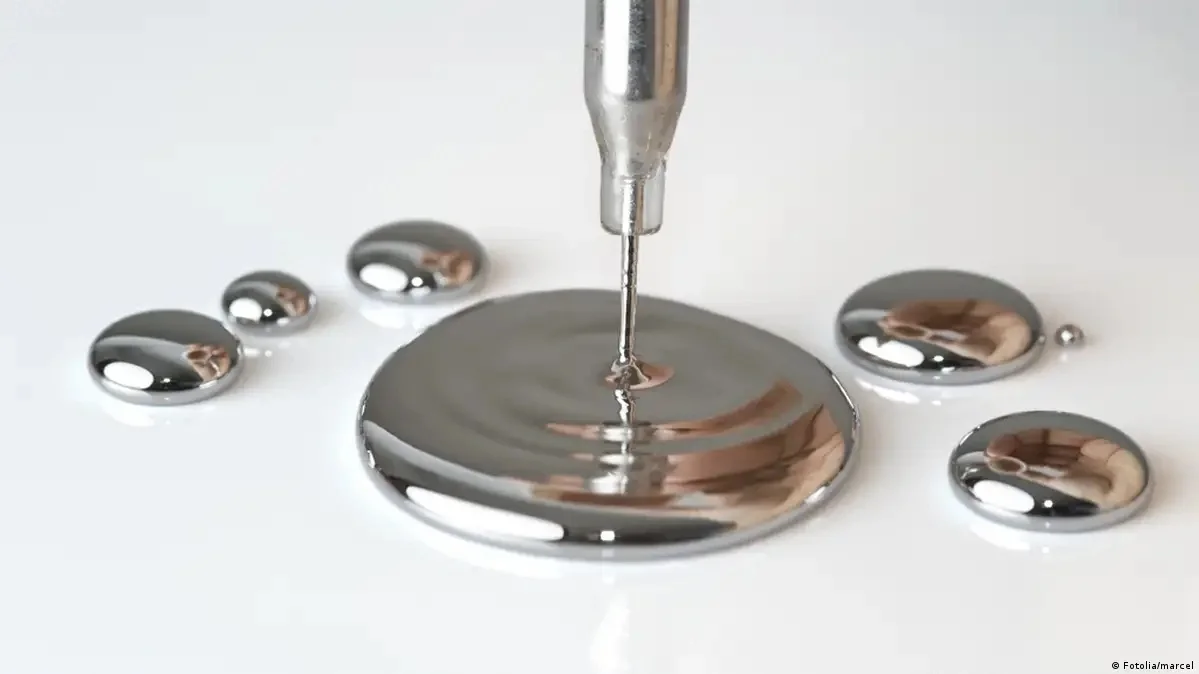
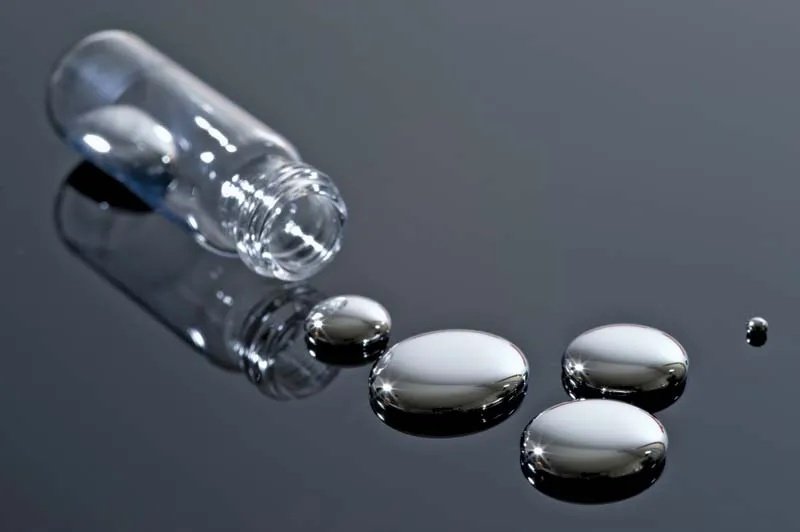
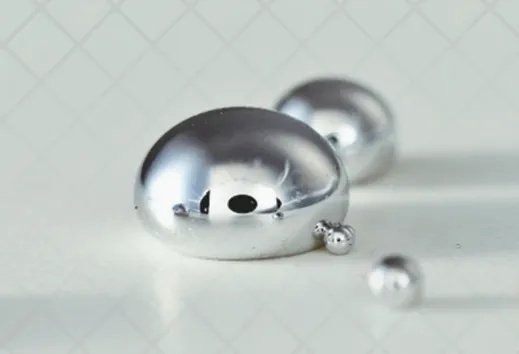
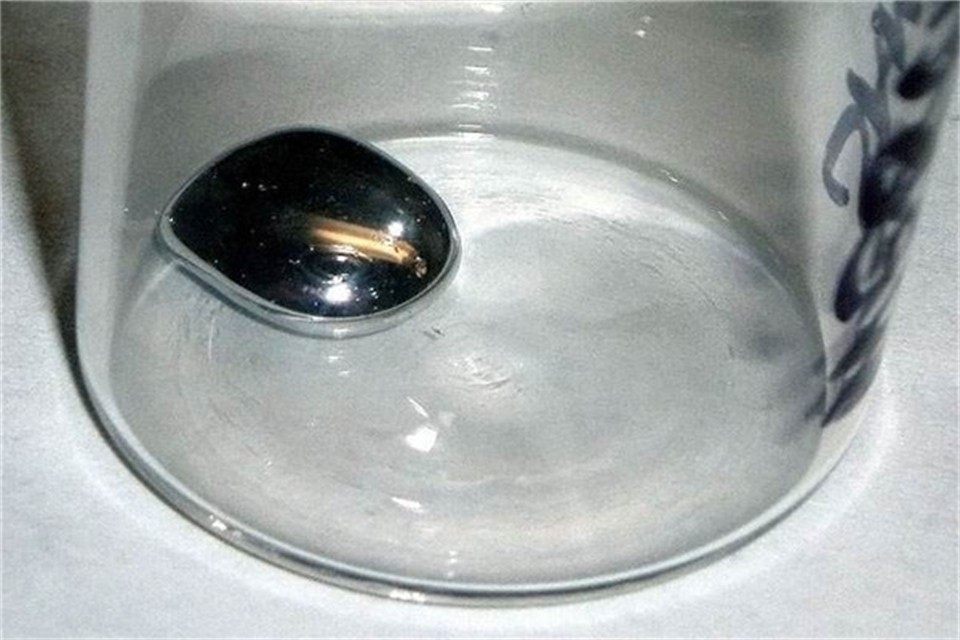
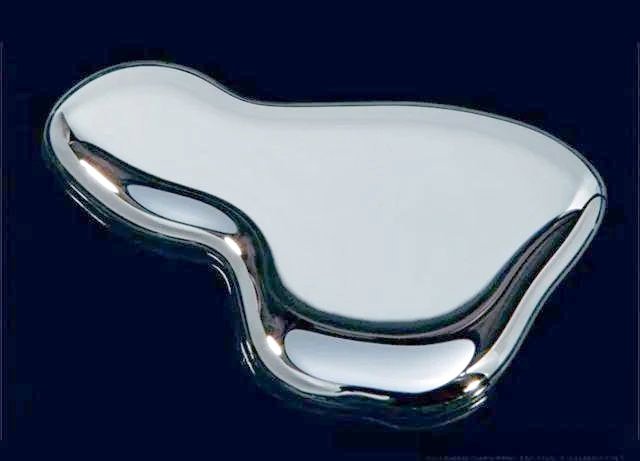
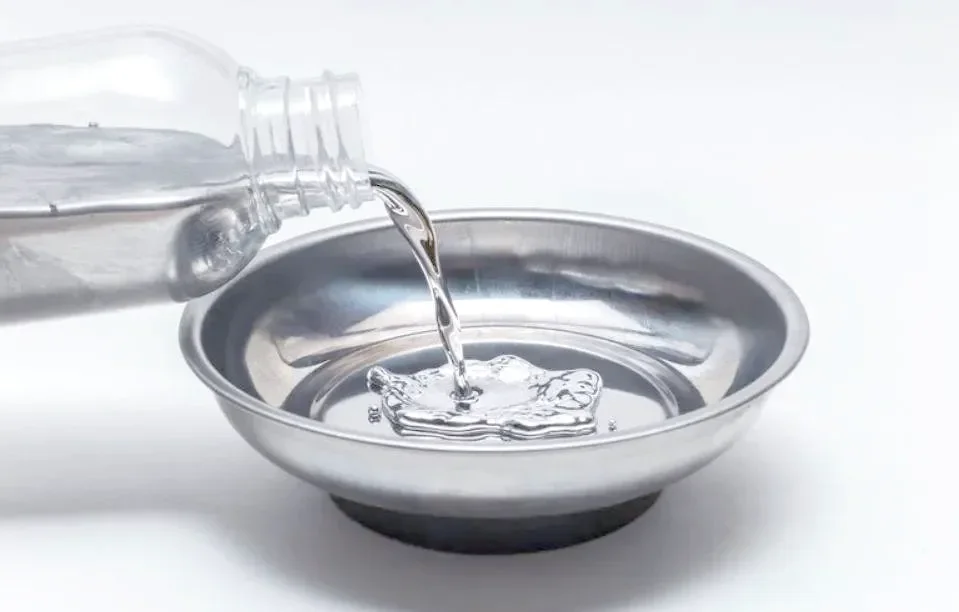
Mercury (chemical symbol Hg), also known as quicksilver, is the only metallic element that is liquid at room temperature and pressure. It is a silvery-white, free-flowing liquid metal with excellent electrical and thermal conductivity, a very high density (13.54 g/mL), and the ability to form amalgams with gold, silver, tin, zinc, and many other metals. Supplied in analytical reagent (AR, ≥99.9%), guaranteed reagent (GR, ≥99.99%), and industrial (≥99.5%) grades, it is a specialized raw material for precision instruments, chlor-alkali chemistry, metallurgical extraction, and laboratory analysis.
2. Core Specification Table
3. Features & Advantages
- Only liquid metal at room temperature: Unique fluidity and wetting properties for precision instruments.
- Extremely high density (13.54 g/mL): 13.5 times the density of water — ideal for manometers and barometers.
- High purity options: AR (99.9%) and GR (99.99%) grades meet the strictest analytical and scientific requirements.
- Excellent electrical & thermal conductivity: Used in arc rectifiers, vapor lamps, and switching devices.
- Amalgam-forming capability: Dissolves noble metals for extraction and dental restoration.
- Well-characterized reagent: Long-standing reference material for polarography and Kjeldahl analysis.
- Documented batch quality: COA supplied with every shipment; third-party reports (SGS, ITS) available.
Hazard note: Mercury vapor is odorless but highly toxic to the nervous system and kidneys; it evaporates continuously at room temperature.
4. Applications & Usage
Instrument manufacturing:
- Thermometers, barometers, sphygmomanometers, vacuum pumps, flow meters, and mercury switches.
Metallurgical extraction:
- Gold and silver recovery by amalgamation (historical artisanal and industrial process).
Chemical industry:
- Oxidation catalysts; chlor-alkali brine electrolysis (formerly dominant); production of mercury salts and reagents.
Laboratory analysis:
- Kjeldahl digestion catalyst; dropping mercury electrode for polarography; blood non-protein nitrogen testing.
Electrical industry:
- Mercury arc rectifiers, mercury-vapor lamps, and quartz UV lamps.
Nuclear & military:
- Coolant in specialized nuclear reactors; atomic radiation-shielding material.
Medical (strictly controlled):
- Dental amalgam fillings; historical use in medicines is now banned in most jurisdictions.
How to use:
- Handle only inside a fume hood or approved mercury-control enclosure; wear nitrile gloves, safety goggles, and a vapor respirator.
- Never heat mercury openly; vapor pressure rises sharply with temperature.
- Use dedicated spill trays under containers; clean spills immediately with approved mercury spill kits (never a vacuum or broom).
- For amalgamation: contact clean metal surfaces under controlled conditions; collect residual mercury carefully.
- Dispose of waste mercury per local hazardous-waste regulations — never drain to sewer or trash.
5. Packaging
- Standard packing: Sealed HDPE or glass bottles placed inside iron drums or wooden cases for impact protection.
- Common sizes: 100 g, 250 g, 500 g, 1 kg, 2.5 kg.
- Large industrial volumes use special sealed metal containers with leak-proof design.
- Custom purity grades and package sizes available on request.
6. Storage Conditions
- Store in a cool, ventilated, dedicated hazardous-material warehouse, sealed tightly.
- Keep away from fire, heat sources, and direct sunlight.
- Separated from food, feed, acids, and oxidizers.
- Place mercury collection trays under all containers to contain spills.
- Monitor airborne mercury vapor concentration regularly; maintain below occupational exposure limits.
- Shelf life: unlimited if stored sealed and uncontaminated.
7. Transportation Requirements
- UN No.: 2809 (Mercury).
- Hazard Class: Class 6.1 (Toxic) and Class 8 (Corrosive) under applicable regulations.
- Transport in special dangerous-goods vehicles; packages must be shockproof, collision-proof, and leak-proof.
- Avoid high-temperature exposure during shipment.
- Strictly prohibited from mixed transport with food, feed, or oxidizers.
- All required shipping documents (MSDS, COA, dangerous-goods declaration) supplied with each shipment.
8. Other Information
- Quality standard: Manufactured under ISO9001-aligned quality control; every batch released with a Certificate of Analysis.
- Grades available: AR (≥99.9%), GR (≥99.99%), industrial (≥99.5%); custom purity and packaging on request.
- MOQ: Laboratory grade 100 g – 500 g; industrial volumes negotiable.
- Delivery time: Regular products 7–15 working days.
- Documents available: COA, MSDS, TDS, RoHS/REACH compliance, and third-party test reports (SGS, ITS) on request.
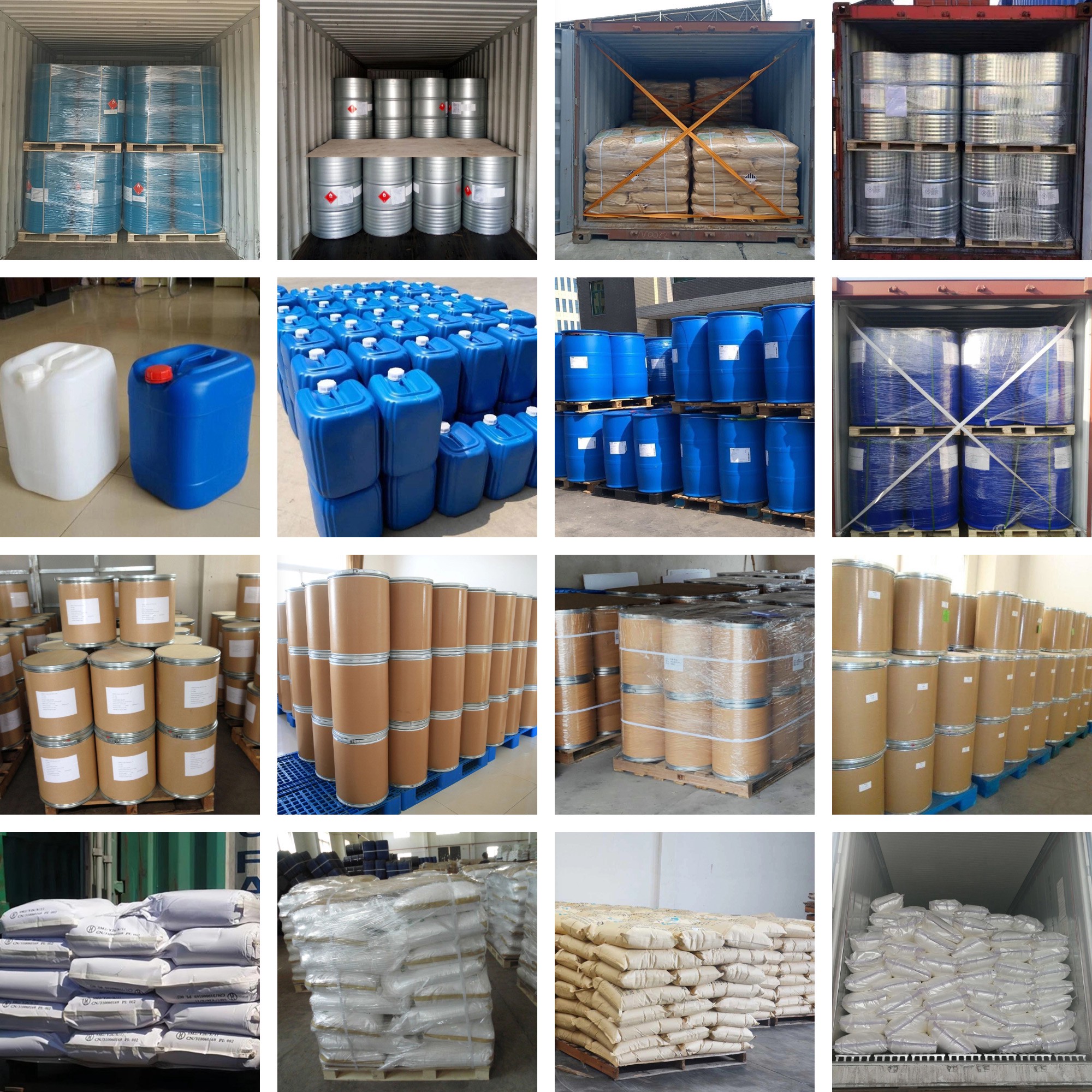
Factory Showcase

Shipping And Transportation
FAQ
Q1: Is Jingrui Yake a factory or a trading company?
A: Jingrui Yake is a professional chemical trading and export company specializing in international chemical product trade and export services. We are not limited to products from a single factory. By leveraging China’s chemical industry clusters and integrating resources from qualified suppliers, we provide centralized procurement solutions covering multiple product categories, origins, and batches. Our strength lies in professional international trade services, including documentation, logistics, and compliance, ensuring a smooth and reliable purchasing process from China.
Q2: How do you ensure transaction security when working with Jingrui Yake?
A: We strictly follow international trade rules, including Incoterms® 2020, and accept common payment methods such as Letters of Credit (L/C) and Telegraphic Transfer (T/T). For first-time customers, we support small trial orders and can specify quality terms, arbitration clauses, and applicable laws in the contract. Our risk-control procedures help customers manage common risks such as exchange-rate fluctuations, shipping delays, and document discrepancies.
Q3: Which markets do you mainly serve?
A: Our products are exported to Southeast Asia, the Middle East, Europe, the Americas, Africa, and other regions. Our customers include plastic manufacturers, chemical fiber companies, coating producers, chemical distributors, and end users. We have experience handling the import regulations, certification requirements, and customs procedures of different markets.
Contact Us
Recommendation
 Ethanol CAS#64-17-5Ethanol CAS 64-17-5 is a versatile chemical solvent with fast evaporation, wide solubility and broad use in coatings, cleaning and synthesis.
Learn More →
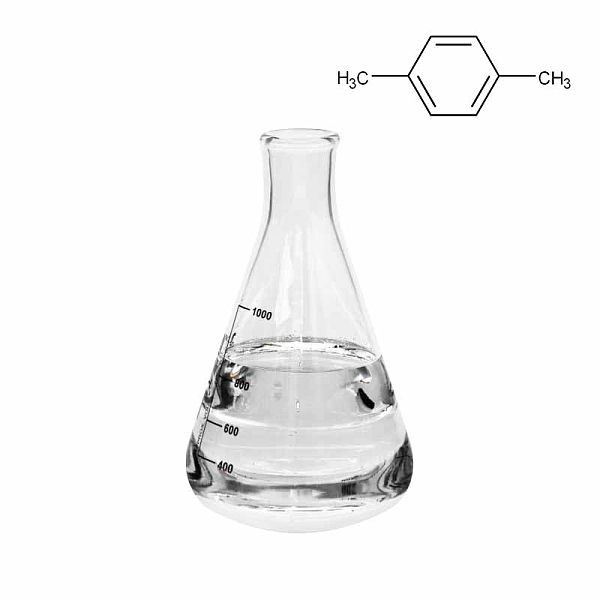
 Xylene CAS#1330-20-7Xylene CAS 1330-20-7 is a versatile industrial solvent with strong solvency, stable properties and wide use in coatings, inks and resins.
Learn More →
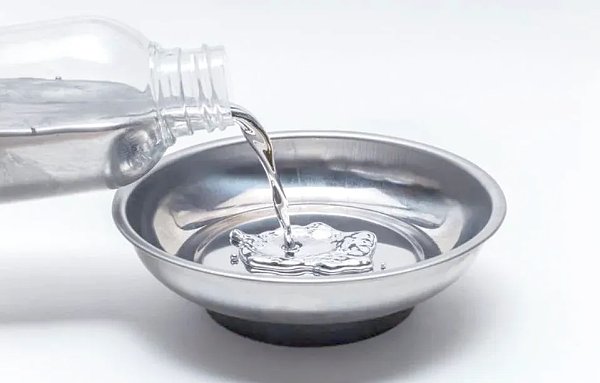
 Mercury CAS 7439-97-6Mercury (chemical symbol Hg), also known as quicksilver, is the only metallic element that is liquid at room temperature and pressure. It is a silvery-white, free-flowing liquid metal with excellent electrical and thermal conductivity, a very high density (13.54 g/mL), and the ability to form amalgams with gold, silver, tin, zinc, and many other metals.
Supplied in analytical reagent (AR, ≥99.9%), guaranteed reagent (GR, ≥99.99%), and industrial (≥99.5%) grades, it is a specialized raw material for precision instruments, chlor-alkali chemistry, metallurgical extraction, and laboratory analysis.Learn More →
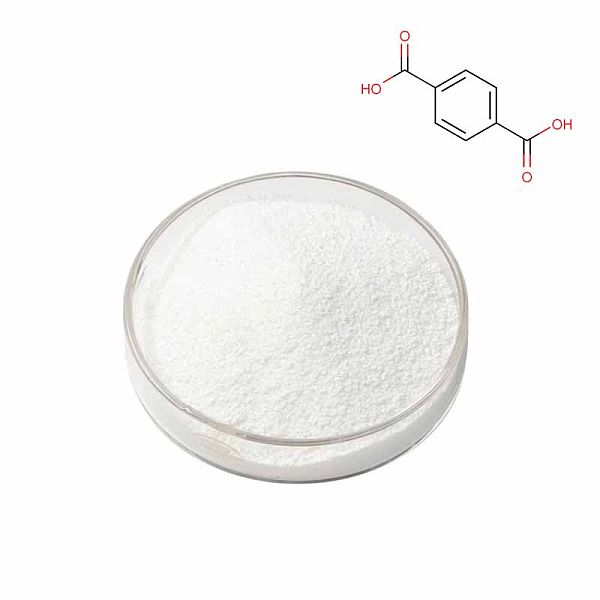
 Terephthalic acid CAS#100-21-0Terephthalic acid CAS 100-21-0 with stable properties, reliable purity, and ideal performance for polyester fibers, films, resins, and packaging.
Learn More →
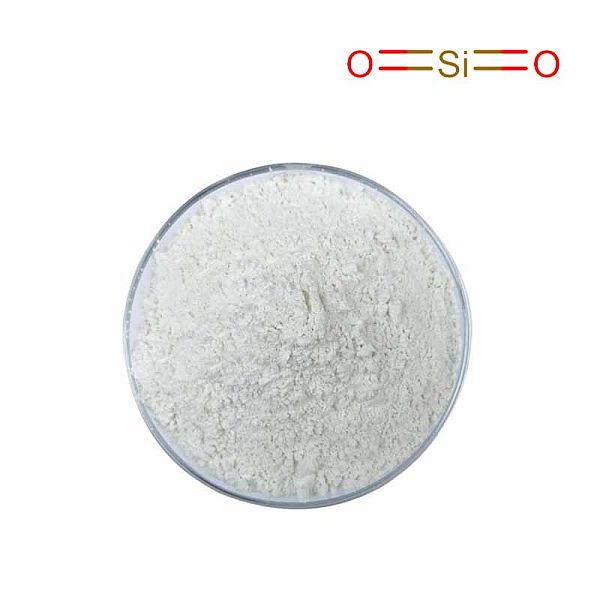
 Silicon dioxide CAS#7631-86-9Silicon dioxide CAS 7631-86-9 offers stable performance, anti-caking, adsorption and thickening functions for food, pharma, cosmetics and coatings.
Learn More →
 Resin epoxy CAS#24969-06-0Resin epoxy CAS 24969-06-0 offers strong adhesion, insulation and corrosion resistance for coatings, bonding, potting and composites.
Learn More →
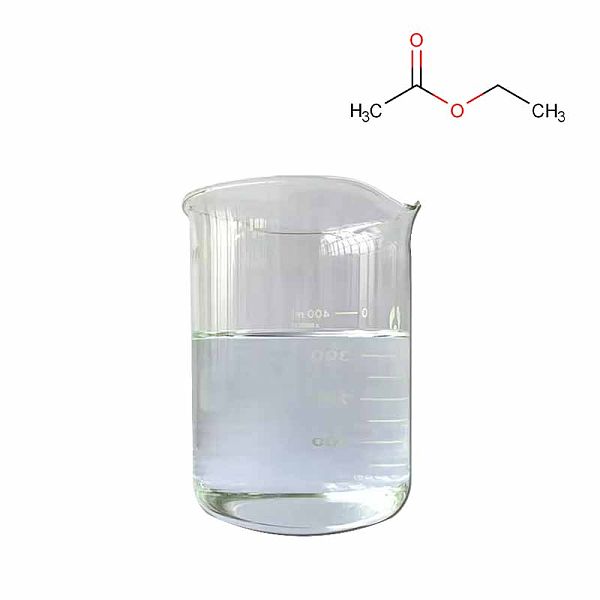
 Ethyl acetate CAS#141-78-6Ethyl acetate CAS 141-78-6 is a fast-drying ester solvent with strong dissolving power for coatings, inks, adhesives and cleaning uses.
Learn More →
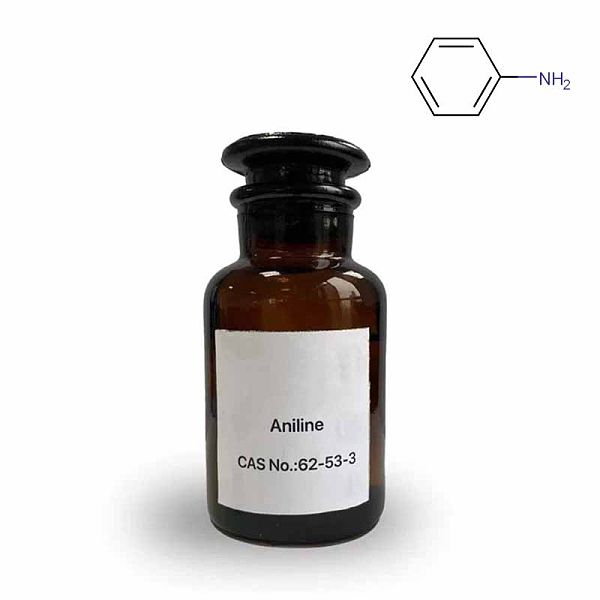
 Aniline CAS#62-53-3Aniline CAS 62-53-3 is a versatile chemical intermediate used in dyes, pharmaceuticals, pesticides, rubber additives and resins.
Learn More →
Send Us Your Inquiry Today